Coming Home to Story

Notes from a journeyman writer, storyteller, and narrative consultant

  • About
  • Books
  • Writing
    • Book Launch
    • My PhD: Unlatching the Gate
    • Readers Say
    • Reviews
    • Selected Poems
    • Stories in Our Bones
    • System-world, Life-world
    • The People of the Sea
    • Drafts
  • Consulting
  • Storytelling
    • Testimonials
    • Island Nights
    • The Storyteller’s Tale
    • An Island Odyssey
  • Men and Storytelling
  • Links

O Frabjous Day

Posted by geoffmead on December 17, 2013
Posted in: Uncategorized. Tagged: frabjous, photo-dialogue, Steve Marshall. 8 Comments

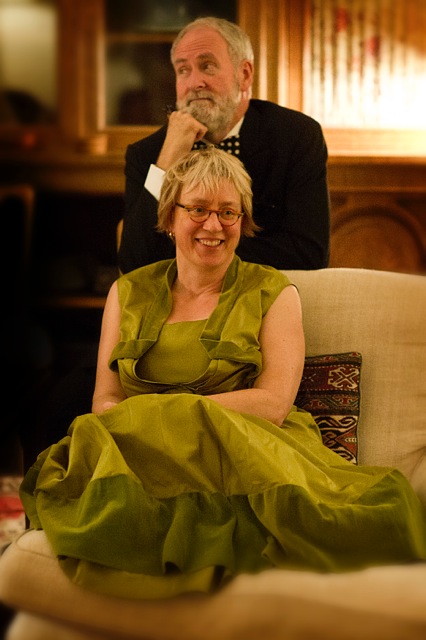
DSC_4886-1_2

On December 14, after 12 years together, the beamish boy and his lady love finally got spliced and we couldn’t be happier.

This picture of Chris, looking resplendent (synonyms: splendid, dazzling, magnificent, glorious, brilliant, stunning, glittering) in floor-length 1950s silk dress and me looking wistful in DJ and polka dot bowtie was taken at the dinner party we threw for 20 close friends the night before the wedding.

We think that it’s just asking for a caption.

Any suggestions?


[Photo by Steve Marshall http://www.photo-dialogue.com]

Share this:

  • Share on X (Opens in new window) X
  • Share on Facebook (Opens in new window) Facebook
  • Share on LinkedIn (Opens in new window) LinkedIn
Like Loading...

Talkin’ Bout A Revolution

Posted by geoffmead on December 1, 2013
Posted in: Uncategorized. Tagged: Abraham Lincoln, Arundhati Roy, banker's pay, democracy, Gettysburg Address, green bench pantomime, Jeremy Paxman, public service pay freeze, revolution, Russell Brand, Subcommandante Marcos, Westminster, Zapatistas. 2 Comments

abe lincoln

If there was a general election tomorrow, for whom would you vote? Abe Lincoln’s not standing but I’ll get back to him in a minute. So, in the absence of Mr Lincoln, who would you choose? The money-grubbing Tories and their Lib-Dem lapdogs? Milliband Minor and the heirs of Tony Blair and Gordon Brown? Nigel Farage and his neanderthal gang of  Little Englanders? The well-meaning but ineffectual Greens perhaps? Would you actually vote at all?

When Russell Brand told Jeremy Paxman on a Newsnight interview last October that he didn’t vote because none of the parties were worth voting for, Prime Minister David Cameron sneered that Brand should let him know if he had a better idea than democracy. The point Mr Cameron – and all who engage in the “green-bench pantomime” of Westminster – is that, if by democracy you mean “government of the people, for the people, by the people” which is about the best definition I’ve ever heard of democracy, then we don’t have one.

If we did have one, and if our politicians had the courage to stand up to the corporations who de facto run our country, Russell Brand and many other increasingly disaffected citizens (citizens, not subjects, please note) might look forward to the prospect of casting their vote in the hope that it would make a difference. But they know (as I know and as I suspect you know) that we don’t have a democracy, the vast majority of politicians won’t stand up to be counted, and the way we vote won’t make a blind bit of difference.

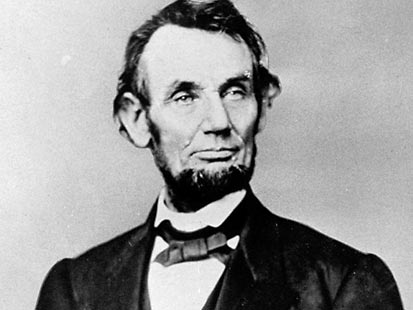
What has Abraham Lincoln got to do with all this? Well, he understood that replacing one government with another of a different stripe is not always enough and that sometimes it is the system of government that needs to be changed. In 1861, his inaugural address as the 16th President of the United States of America included these words:

This country, with its institutions, belongs to the people who inhabit it. Whenever they shall grow weary of the existing government, they can exercise their constitutional right of amending it, or their revolutionary right to dismember or overthrow it.

Who would have thought it? Abe Lincoln who fought a bloody civil war to maintain the Union, also upheld the revolutionary right of the people to dismember or overthrow their government when their constitutional right to amend it proved inadequate to meet their needs. Of course, he had the advantage of being a citizen-president and neither a political apparatchik nor a member of the ruling class, so it was perhaps easier for him to think for himself than it is for our institutionally entrenched leaders.

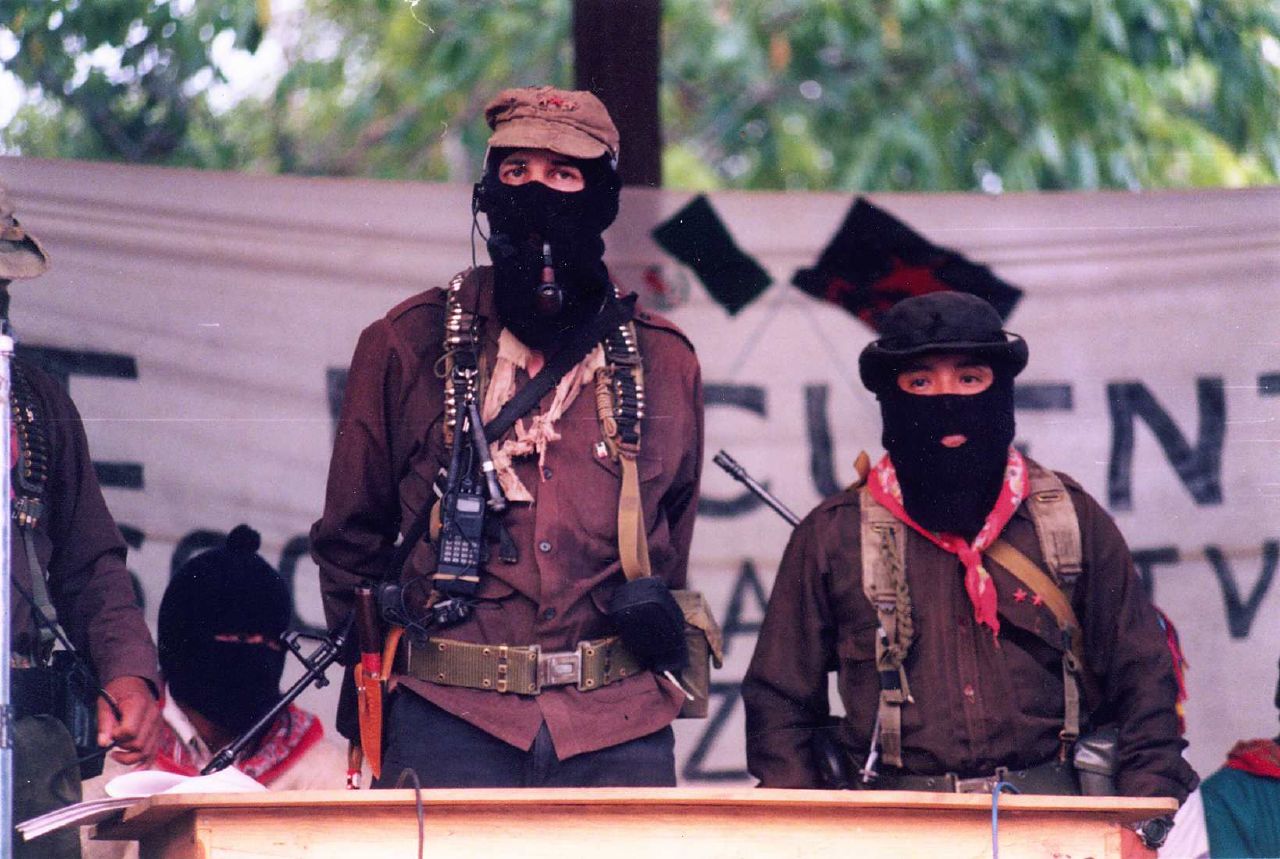
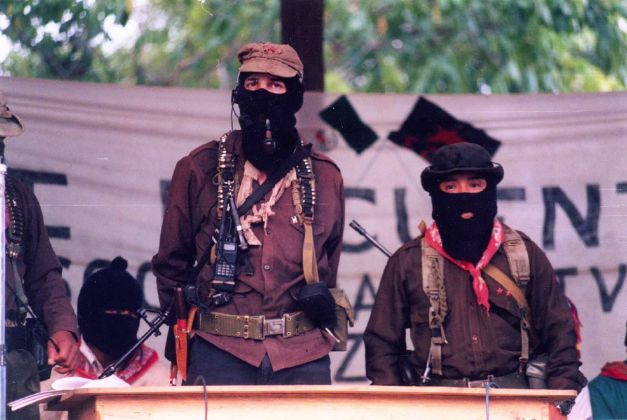
And, if we decide to exercise our revolutionary right, what sort of revolution should we stir up? Guillotining aristos and hanging bankers from lampposts (tempting though the prospect might be) is somewhat crude and a bit passé. The French and the Russians have already tried that and it didn’t do them much good. The media-savvy Zapatistas offer a more fashionable, rock and roll, post-modern style of revolution. Subcommandante is a pretty groovy title and I quite fancy the idea of wearing a Mexican-style bandolier and balaclava, though there isn’t much virgin rainforest in Britain in which to hide nor – so far as I am aware – are there any long-lost indigenous tribes to offer us shelter.
Subcomandante_Marcos

We are sorry for the inconvenience, but this is a revolution

There is a place and time for armed struggle but it’s not here and it’s not now. Not yet, anyway. No, the most appropriate way to deal with the wizards behind the curtain is to show just how ridiculous and irrelevant they are. As Arundhati Roy said:

Our strategy should be not only to confront empire [for which, read self-appointed economic and political ruling class], but to lay siege to it. To deprive it of oxygen. To shame it. To mock it. With our art, our music, our literature, our stubbornness, our joy, our brilliance, our sheer relentlessness – and our ability to tell our own stories. Stories that are different from the ones we’re being brainwashed to believe.

Will those in power tremble at such a prospect? Probably not; though they should because it is not just the needy and dispossessed who have become utterly disenchanted with their behaviour. It is also those who, at first sight, might be perceived as natural supporters of the status quo: we are not wealthy though we have something to lose; we are not poor though our children may be struggling  to get on; we are not politically active though we are intelligent and well-informed. We are the middling mass of people without whose support neither governments nor systems of government can long survive.

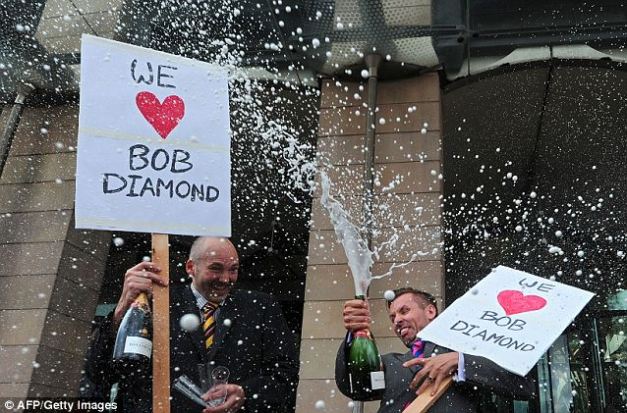
Many of us are desperately concerned about the well-being of the planet; incensed by the crass greed of financiers and capitalist fat-cats; and appalled by the partisanship, cronyism and myopia of politicians. What on earth makes our lame excuse of a government think that we can be bought off by scraping a meagre 50 quid off our fuel bills by reducing green levies and letting energy companies off the hook? At the same time they were quite willing to countenance an obscene 35% increase in average salaries for investment bankers last year to £1.6 million when public sector workers including doctors, nurses, firemen and police officers, social workers and civil servants have seen wage rises frozen at just 1 per cent a year since 2010.
bankers bonuses

If those who claim to rule in our name (and the unaccountable, self-interested corporations who exert so much influence behind the scenes) carry on like this they’ll make revolutionaries of us all. In the meantime, what can we do – we middling people? We can make it clear that we see through the ludicrous stories we’re being brainwashed to believe; we can choose to live lives that are less dependent upon our own complicity in the systems we despise;  and we can remind our erstwhile rulers that this country belongs not to them but to all those who inhabit it.

The sin of silence when they should protest makes cowards of men.

It is time to tell our own stories.

It is time to speak out.
Share this:

  • Share on X (Opens in new window) X
  • Share on Facebook (Opens in new window) Facebook
  • Share on LinkedIn (Opens in new window) LinkedIn
Like Loading...

Mad as Hell

Posted by geoffmead on October 27, 2013
Posted in: Uncategorized. Tagged: Jeremy Paxman, Mad as Hell, Network, Newsnight, Peter Finch, revolution, Russell Brand. 2 Comments

The planet is being destroyed, we are creating an underclass, we’re exploiting poor people all over the world and the genuine, legitimate problems of the people are not being addressed by our political class.

Russell Brand may or may not be a “very trivial man” but what he said was far from trivial. He called for a revolution because neither our politicians nor our political system are capable of addressing the most pressing issues of out time.

Brand was not fomenting revolution, he was pointing to the conditions in which revolutions (sometimes bloody ones) occur and saying that revolution is inevitable unless they are addressed. Revolutions happen not when governments fail but when systems of government fail. Faced with the breathtaking arrogance and single-minded self-interest of the ruling socio-economic elite in this country and much of the world, it is pretty clear that we can’t vote ourselves out the mess we’re in.

When asked: “What is the alternative to the current system?” Brand did not have a concrete proposal but why should he? There is a time and a place for nuanced political debate and a time and a place simply to say: “This is wrong. Enough is enough.”

Well said Russell. Well done for standing up to Jeremy Paxman, someone I have long admired who should have known better (and I think did) and for naming some painful truths. Like the character played by Peter Finch in the 1976 film Network, more of us need to tell those who think themselves our masters that we’re mad as hell and we’re not going to take it any more.

Share this:

  • Share on X (Opens in new window) X
  • Share on Facebook (Opens in new window) Facebook
  • Share on LinkedIn (Opens in new window) LinkedIn
Like Loading...

A World on Fire

Posted by geoffmead on October 24, 2013
Posted in: Uncategorized. Tagged: forest fires, love, Minho, phoenix-fire, Portugal. 3 Comments

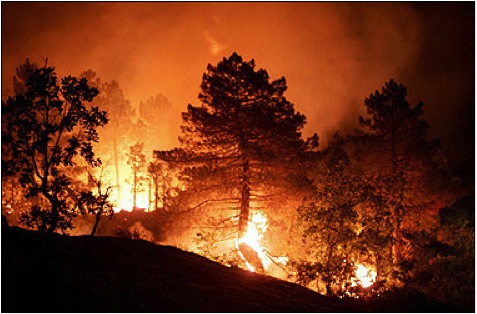
Trees burn

Scores of forest fires burned on the hillsides of Minho where we stayed this summer. It seemed during August that the whole of Portugal was ablaze. In the daytime columns of smoke rose to the heavens and streaked the sky; at night the flames were visible from miles away.

“That’s how it is here,” the locals told us. “In the spring it’s warm and wet and the forests grow; in the summer it’s hot and dry and they burn. Some years are worse than others. This year is especially bad; many bombeiros have died this year fighting the fires, protecting our towns and villages.”

The landscape around our rented yurt was rugged and beautiful; rock pools for wild swimming and mountain trails to walk. The night sky – when free of smoke – was inky black and full of stars. But one night trouble came knocking at our door. As we lay in bed my partner was suddenly taken ill. I called for help and neighbours came running; they sent for an ambulance.

On the fourth day in hospital, I looked into my partner’s eyes and knew with absolute certainty that I loved her. What had been impossible in the 12 years we had been together became inevitable. “Will you marry me?” I asked. “Yes,” she said without a moment’s hesitation. “Yes.”

In the next few days, as I sat beside her bedside, I emailed a few close friends about what had happened and one of them – not knowing about the fires in Portugal – wrote to me about “the awful beauty of love’s face, when mortality is near.”  “This kind of love,” he said, “makes everything so uncertain, every moment a hurricane rushing through your house, every thought a forest fire at the edge of town.”

The truth is that I’d grown used to protecting my heart from the possibility of love. But when mortality drew near I stepped into the flames, wanting to be consumed. All my familiar hesitations and fears melted away; my lame excuses for living alone vanished in a puff of smoke.

And on the other side of that phoenix-fire, I have learned something that most people already seemed to know: although it isn’t easy, it is very simple to love someone. You just have to say “Yes” to them. But you have to mean it with every fibre of your body and every ounce of your being.

Share this:

  • Share on X (Opens in new window) X
  • Share on Facebook (Opens in new window) Facebook
  • Share on LinkedIn (Opens in new window) LinkedIn
Like Loading...

We hold these truths

Posted by geoffmead on September 11, 2013
Posted in: Uncategorized. Tagged: Declaration of Independence, Genly Ai, inclusion, Martin Luther King, Ursula le Guin. Leave a comment

Plant 2

We hold these truths to be self-evident, that all men are created equal…

I was reminded last month that it’s 50 years since Martin Luther King called on these words, from the US Declaration of Independence, to remind his nation that the aspiration of equality was so far from being accomplished that he could only speak of it as a dream.

For the 56 Congressmen who signed the Declaration of Independence in 1776, “all men” referred to a limited number of white male property owning citizens who had the right to vote. “Men” did not include indentured labourers (mostly white) nor slaves (mostly black) nor Native Americans (described in the Declaration as “merciless Indian Savages”). It certainly did not include women of any race.

I suggest that who we include in our notion of “all men” is a measure of our humanity. Who do we regard – and treat – as persons of equal worth to our own? The long and continuing struggle of those whose origins, habits and circumstances do not fit some imagined norm to claim their place as equals in society, is a testament to the limits of our imagination and compassion.

Even by saying “their place” I am guilty of a kind of othering for it implies that my origins, habits and circumstances are somehow normal; my inclusion in “all men” is unquestioned; my role in the story is sanctioned and legitimate; I am a  fully rounded character with purpose and agency whereas they are caricatures, circumscribed and defined by some aspect of their being that is less than (and certainly different from) mine.

Holding a truth to be self-evident is not the same as blind faith. It means consciously choosing to live as if something were true, taking responsibility for the consequences of doing so. The acid test of our claim to live a moral life is not the truths we declare to be self-evident but the truths that are evident in our actions and in our efforts to live congruently with what we hold dear.

In one of my favourite books, The Left Hand of  Darkness  by Ursula le Guin, the character Genly Ai is sent as a lone emissary from a more advanced civilisation to observe and make contact with the inhabitants of the planet Gethen. I have often wondered what such an observer would make of human societies if sent to Earth.

I somehow doubt that Genly Ai would be able to deduce from the way we live, the “self-evident truth” that all men are created equal, let alone endowed by their Creator with the unalienable right to the pursuit of life, liberty and happiness. He might also ask us (as the dominant species) to what extent we honour the rights of other-than-human life to thrive on our planet?

I can’t think of an honest answer that doesn’t make me feel ashamed.

Share this:

  • Share on X (Opens in new window) X
  • Share on Facebook (Opens in new window) Facebook
  • Share on LinkedIn (Opens in new window) LinkedIn
Like Loading...

Carpe Diem

Posted by geoffmead on June 23, 2013
Posted in: Uncategorized. Leave a comment

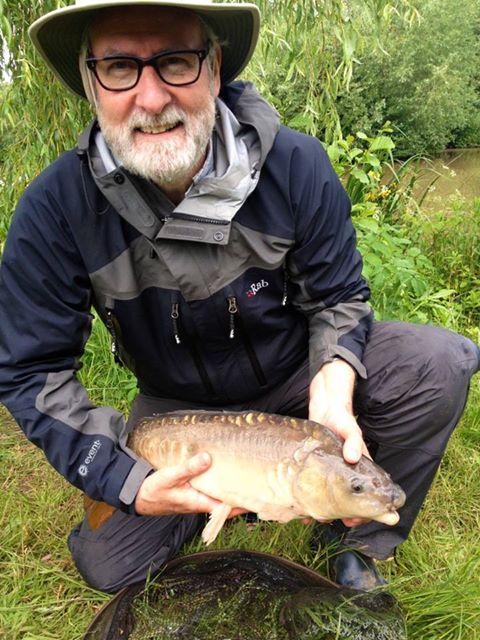
1001471_676245655723589_242353030_n

The carp he is a wily beast
All day he makes me wait.
I cannot tempt him in the least
He scorns my meagre bait.

I’ve never caught his like before
Not once in all my days.
I’ve studied ancient fishing lore
And tried the modern ways

I’ve hung from trees and paddled boats,
I’ve hidden in the weeds,
I’ve camouflaged my fishing floats
And cast among the reeds.

But nothing yet has brought success
In this elusive chase.
I’m much distressed as you can guess
‘Cos I am losing face.

My brother Pete is next to me
Upon the lakeside shore
He never catches less you see
He always catches more

It’s getting late, I’m desperate
To catch this noble fish.
O gods take pity on my fate
And grant my fervent wish.

I dress the hook with luncheon meat
The best that we could buy
I sit down on the fishing seat
To give it one last try

There’s my float out on the water
And underneath, the fish.
Carp he nibbles just a quarter,
A dainty little dish.

Suddenly he makes a blunder,
He grabs the bloomin’ lot.
Like a flash the float goes under.
Oh what a silly clot!

I lift my rod and strike it home
The hook is in his lip.
No matter where he wants to roam
He won’t give me the slip.

He ducks and dives, he twists and weaves
Across the murky lake.
He thinks he’s free, he misconceives,
He’s heading for the take.

He’s on the line, he’s mine all mine
From tip to taily fin.
His head is up! A certain sign
That he is all done in.

I haul him to the landing net
And get him on dry land.
8 lbs, says Pete, I’d like to bet.
Here let me take your hand.

O little brother do not wince,
No need to look forlorn,
You’ve just caught the biggest fish since…
The biggest fish… since you were born.

I smile, I grin, I laugh aloud
At his cack-handed praise.
I’ve made my older brother proud
This is the day of days.

Share this:

  • Share on X (Opens in new window) X
  • Share on Facebook (Opens in new window) Facebook
  • Share on LinkedIn (Opens in new window) LinkedIn
Like Loading...

Fleshy Bodies

Posted by geoffmead on June 18, 2013
Posted in: Uncategorized. Tagged: Artful Leadership Collective, embodied knowing, fleshy bodies, word-hoard. Leave a comment

IMG_1188

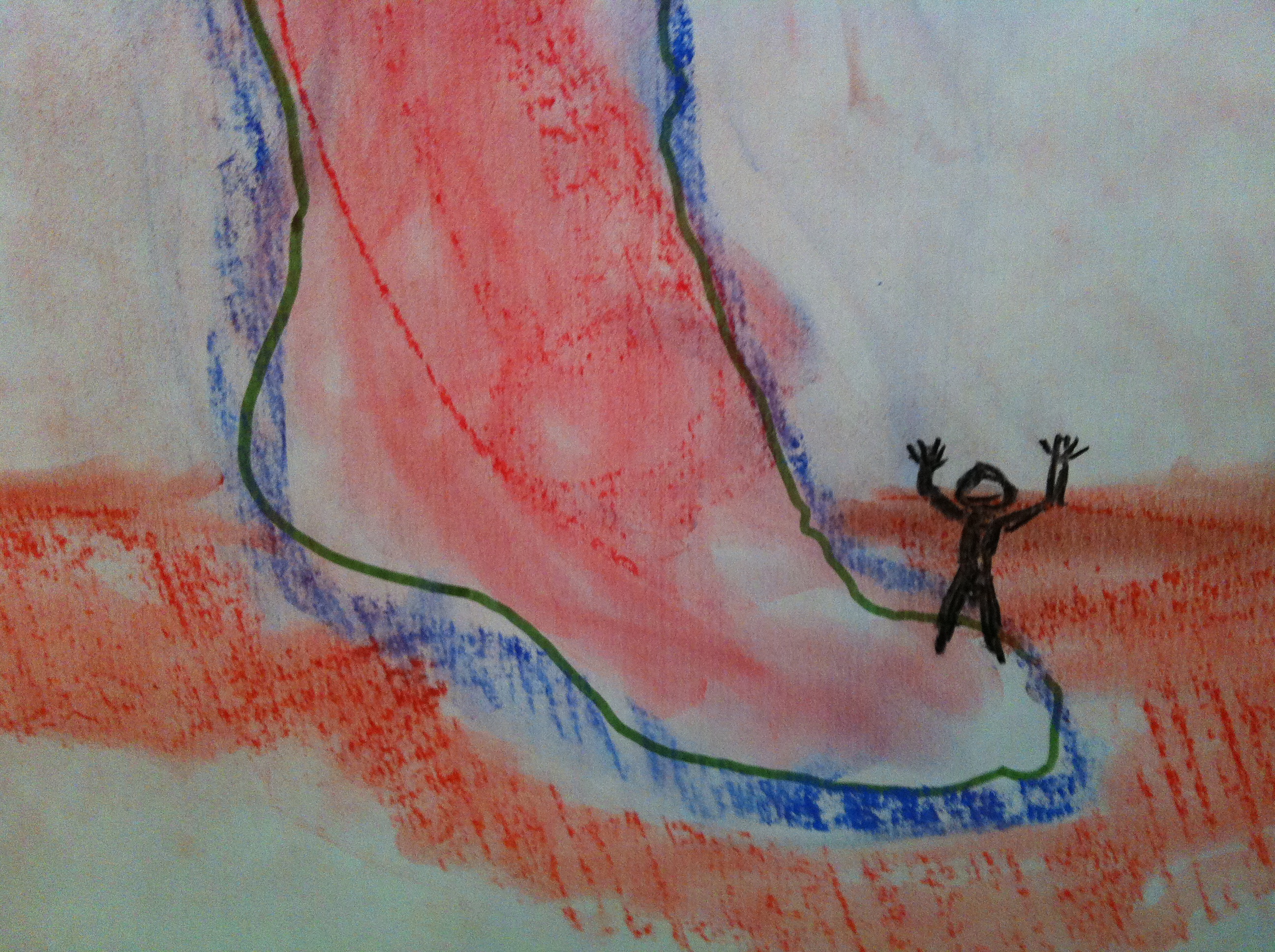
During our week at Uley (see last post) Alan Woods, a fellow-member of the Artful Leadership Collective, suggested that we explore the embodied nature of our knowing by drawing life-sized outlines of our bodies on huge sheets of paper and then intuitively illuminating them with colour.

It was a brilliantly simple and profound exercise. The images quickly took on the unique form and character of each artist, revealing our life-and-death relationships with our own fleshy bodies: shimmering lines of energy; wildly imagined limbs; looping twisted guts; pierced bloody organs; flowing lines and harsh sudden marks.

When they were all finished, the whole group explored the aesthetics and meanings of each self-portrait. The discussions were surprisingly intimate as our sense of embodied selfhood revealed itself subtly (and sometimes dramatically) under our collective gaze.

My image was likened by someone to that of the Cerne Abbas giant – although without the club and obvious erection – and I did indeed feel disconnected from it, unable to inhabit the distorted pain-filled body I had drawn. I added the small figure of a man standing on the giant’s foot; “I’m alright,” he seems to say. “I’m real. This other thing is just a projection.” He feels somehow more substantial and larger than the giant; he gives me a voice that enables me to reclaim myself. I like this defiant, life-affirming, articulate part of myself.

Towards the end of our time together, the group created a “word-hoard” – nouns, verbs, adjectives and adverbs – on separate pieces of paper that we laid out on the floor to make a single poetic statement about the experience of embodied image-making we had shared in the previous 48 hours. Some of us (the 5 men as it turned out) then drew on what we had collectively created to write individual poems. Here they are, strangely beautiful, with sincere thanks to fellow artful inquirers: Alan, Bethany, Chris, Doug, Ellie, James, Marcelo, and Sarah.

Untitled (Geoff)
Wounded circling darkness
flows over a fiery archipelago
of falling fleshy blood.

The mythical flood
radiates sensual compassion
in a majestic patterning dance.

We tiptoe in vital mud
pierced by healing waves
as the spirited ground spins free.

Reach forth bold sprite;
trust the maelstrom.
Love joyfully.

The Falling  (Alan)
Bodily bold, I the man, became fluid
Falling with all my flowing, fleshy blood
Splittering and splattering into the dark pools of sensual compassion below

Pierced by knowledge
I can stretch my trust through fleshy space
Reaching and spinning to the shoreline
And emerge from the vital mud spirited by lightening
I joyfully know my grounded fleshy heart, skin deep and with deep, majestic flesh.

Embodied Life Forces (Marcelo)
bodily surface becoming fluid
a cruel dance of forces
patterning

sensual mud, flowing as blood
circling, spinning confidently
through the pierced flesh

slithering forces dance
transmutating our
ephemeral archipelago

Becoming (James)
Reach out in a fiery dance of love,
Be bold, moving through shadow to a spirited darkness and a glowing glee.
Meet me at the ground of our becoming,
Through vital mud, tiptoe to me.

Untitled (Doug)
Love fiercely and
trust through fleshy wounding
when darkness radiates and floods the heart.

Witnessing presence, sets compassion free.
Grounded spirit, emerging healing, majestic life.

How can we show up
as the people who have lived these lives?
How can we live present to loving purpose?

Share this:

  • Share on X (Opens in new window) X
  • Share on Facebook (Opens in new window) Facebook
  • Share on LinkedIn (Opens in new window) LinkedIn
Like Loading...

Out of Eden

Posted by geoffmead on June 16, 2013
Posted in: Uncategorized. Tagged: Artful Leadership Collective, artful practice, Out of Eden, wilding. 2 Comments

flower

I’ve just spent a fascinating week in Uley (Gloucestershire) with my partner Chris Seeley and 7 other friends and colleagues from the Artful Leadership Collective exploring our practices as teachers, leaders, facilitators, consultants, artists, storytellers, writers.

On the second day we considered two main questions: What does it mean to live and work artfully; and what is our relationship with our own practice? We began by making images in response to the questions before discussing them.

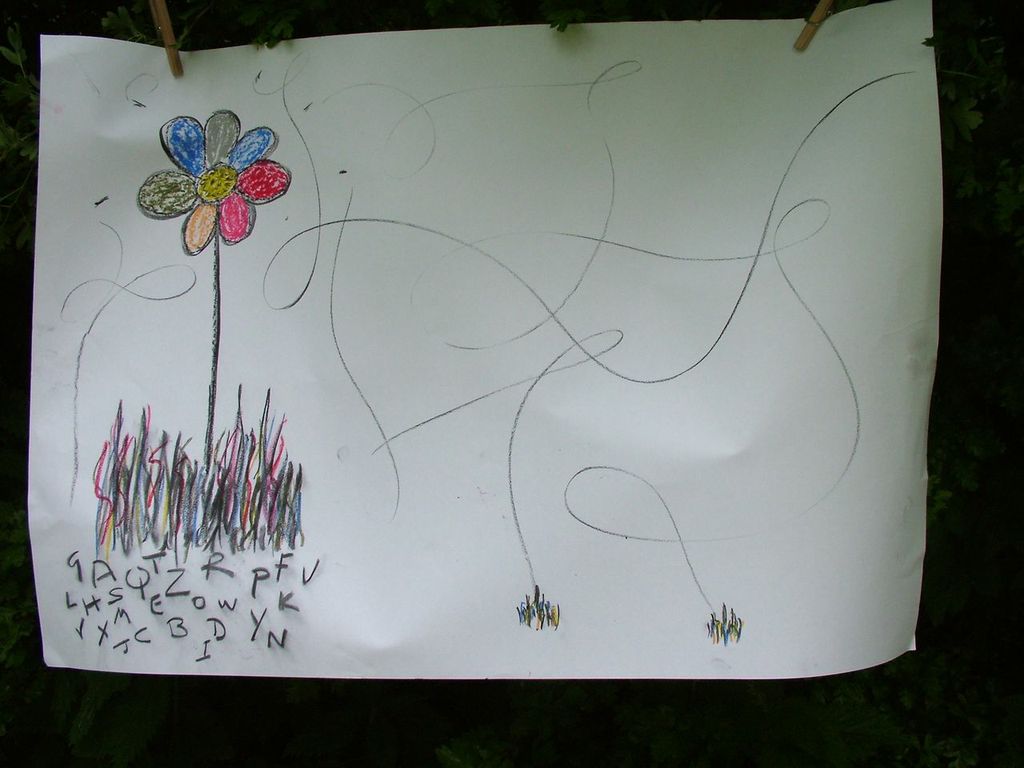
Using my intuition rather than following a preconceived plan, I drew the picture above. The flower came first, rising out of multi-coloured  foliage; then the seeds blown on the wind and settling beyond my ken; last the randomly distributed letters of the alphabet.

A key idea to emerge as we interrogated the images to see what they revealed about artful practice was that of “wilding” – of stepping outside the neatly cultivated conventions of the system-world to revel in the abundant fecundity of the life-world. We realised that in different ways, we all invited our clients to recognise and trust their own wild beauty and intelligence.

My picture reflects an aspiration to re-enchant the world through language, scattering my words like wild flower seeds in blogs, books, storytelling performances and workshops. I’m more naturally a wordsmith than a visual artist, so I’ve turned to poetry to portray what I think about the joys of living and playing outside the garden.

Leave the rows of scented stocks;
Walk among the hollyhocks
In the forest and the glade,
Camouflaged by dappled shade.

In the garden life is tame:
All the flowers just the same.
But it’s clear in every child
That our nature’s to be wild.

Humans do their maker wrong
Living where they don’t belong.
Let the heart speak, let it yearn.
Let the spark of wildness burn.

Blossom forth and take your place,
Feel the breeze upon your face,
Bathe your soul in summer rain,
Bask in sunlight once again.

Share this:

  • Share on X (Opens in new window) X
  • Share on Facebook (Opens in new window) Facebook
  • Share on LinkedIn (Opens in new window) LinkedIn
Like Loading...

Missing the Boat

Posted by geoffmead on June 6, 2013
Posted in: Uncategorized. 1 Comment

titanic

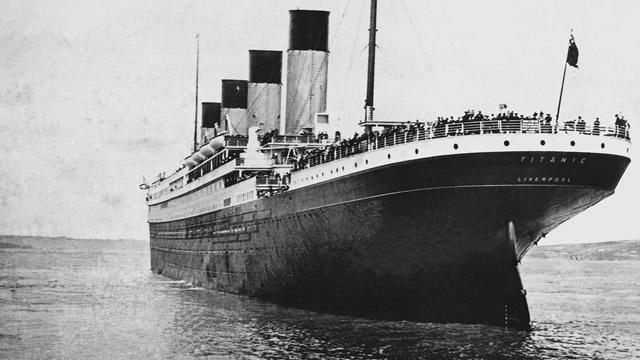
In 1997, like millions of others, I went to the cinema to see James Cameron’s epic film Titanic. I sat unmoved as Leonardo di Caprio and Kate Winslet went through their romantic shenanigans but driving home afterwards, I suddenly found myself weeping for the needless folly of it all. Why hadn’t the captain and crew turned the boat sooner? Why had they disregarded the warnings? Why had they all been so besotted by their own myth that they hadn’t seen disaster looming?

I was reminded of this moment recently, reading page 100 of Thomas Berry’s book The Great Work, a meditation on the state of our planet and a call for action.

Long before the collision those in command had abundant evidence that icebergs lay ahead. The course had been set, however, and no-one wished to alter its direction. Confidence in the survival capacities of the ship was unbounded. Already there were a multitude of concerns in carrying out the normal routine of a voyage. What happened to that “unsinkable” ship is a kind of parable for us, since only in the most dire of situations do we have the psychic energy needed to examine our way of acting on the scale that is now required. The daily concerns over the care of the ship and its passengers needed to be set aside for a more urgent concern, the well-being of the ship itself.

Berry’s use of the Titanic metaphor piqued my interest so I trawled the internet for some more historical details of the actual event. I read the stories of survivors and of some who had planned to make the voyage but had changed their minds for various reasons: family affairs, illness, urgent business elsewhere, etc.

My favourite “missing the boat” story was that of a certain Mr. Frank Carlson who, at 8.10pm on Wednesday 10 April 1912 as the Titanic slipped its moorings at Cherbourg, was standing at the side of the road 5O miles away kicking the tyres of his broken down car in frustration, a first class ticket for New York in his back pocket.

Of course, we cannot miss the boat or jump ship. For good or ill, we are all on board and there are no lifeboats. There will be no lucky escapes, no survivors, if our ship goes down. I don’t know if there is yet time to avoid the iceberg but there’s no doubt that we are still going full steam ahead and it’s pretty clear that those on the bridge aren’t listening to the warnings from the crow’s nest.

We first class passengers, in the industrialised world, wrangling over our perquisites and privileges aren’t making life any easier. It’s time for us to take more interest in where we are going and to decide that rearranging the deckchairs to get a better place in the sun is not our main priority, for there’ll be no-one left to weep at our folly if we don’t.

Share this:

  • Share on X (Opens in new window) X
  • Share on Facebook (Opens in new window) Facebook
  • Share on LinkedIn (Opens in new window) LinkedIn
Like Loading...

Better late than never

Posted by geoffmead on May 4, 2013
Posted in: Uncategorized. Tagged: Sir James Holt, unexpected help. 6 Comments

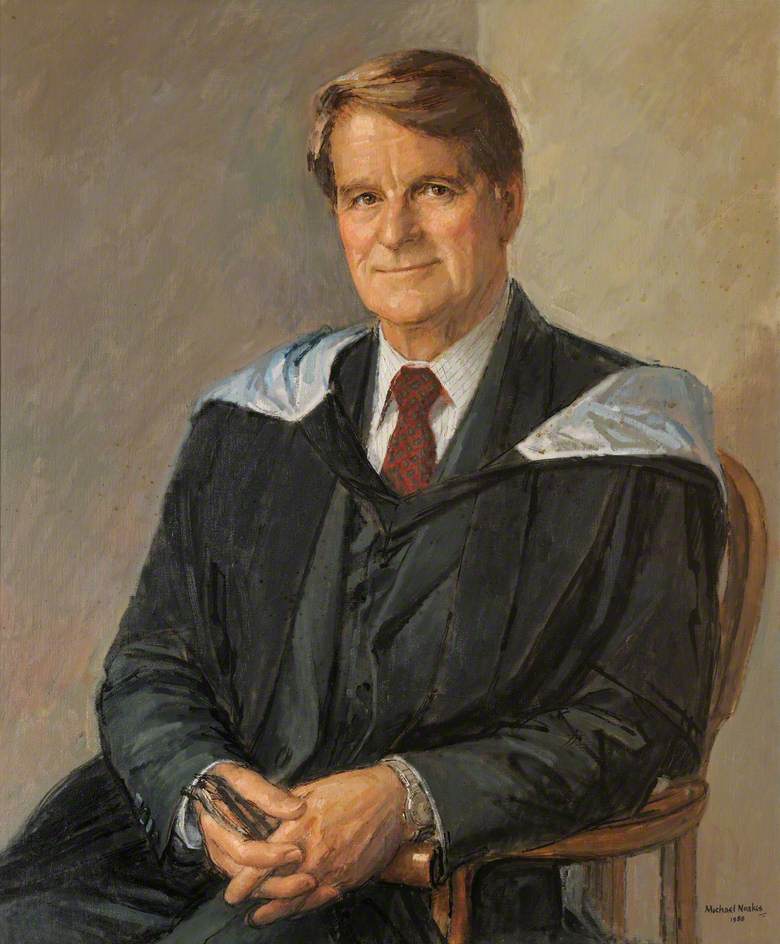
(c) Michael Noakes; Supplied by The Public Catalogue Foundation

You probably don’t recognise the person whose portrait this is. It was painted in 1988 and its subject, James Holt is now over 90 years old. Our paths crossed 40 years ago and I have good cause to remember him. Sometimes help comes unexpectedly when you most need it. When it does you never forget the person who helped you.

At 21, I was a hippy – flared trousers, shoulder length hair, the lot. I was at university studying English History. Despite my appearance, I was desperate for a career in the police service and I’d been offered a place on the Police Graduate Entry Scheme. All I needed was to pass my degree. When it came time for Finals, it was all or nothing – no assessed work – it all came down to 10 (3 hour long) written exams in a fortnight. I’d crammed hard and I was as ready as I’d ever be. But the trouble was my handwriting; it had always been shaky and I didn’t know if it would stand up to 30 hours of exams.

The first few papers weren’t too bad. I hit the jackpot with a few stock questions and I began to feel more confident about passing. But although I knew what I wanted to say, my handwriting began to crumble. By Paper 7 (Church Architecture in the Middle Ages, as I recall) it had become an illegible scrawl. Even I could hardly read it; the examiners didn’t stand a chance. I knew I’d failed but I carried on anyway – I couldn’t think of anything else to do.

After the last exam, I went out with my mates to drown my sorrows. Then I waited for the axe to fall, as I knew it would. Three days later there was a message in my pigeonhole (no mobile phones back then) instructing me to attend the Head of Department’s office at 9.30am the next day. I’d been expecting something like this. Decent of them to tell me in person, I thought. Even so, I couldn’t sleep.

At the appointed time, I knocked on the door of the Professor’s study and waited. Professor James Holt was a blunt Yorkshire man who spoke with a slight lisp; a world expert on Magna Carta (I’d taken his seminar); and notorious for not tolerating fools – gladly or otherwise. Flower power and student revolution had passed him by; he wore heavy brown brogues and had leather patches on the elbows of his tweed jacket. All in all, he was not a man to be trifled with!

“Come in,” he boomed through the door.

I entered his study, my heart pounding. The inner sanctum, the holy of holies: walls lined with gold embossed volumes; mediaeval exchequer records scattered on a vast oak table; student papers and PhD theses waiting to be read, piled in great heaps in front of him on the desk.

“Geoffwey,” he said. “We seem to have a pwoblem.”

I stood nervously. I hadn’t been invited to sit down.

“Some of your scwipts are unweadable. If we cannot wead them, we cannot mark them. And if we cannot mark them we cannot award you a degwee.”

I had nothing to say (“Tell me something I don’t know,” I thought). He handed me the four illegible exam scripts. I felt so ashamed I actually blushed.

“Fortunately for you,” he said, “I’m interwested in whether you can think, and not whether you can wite. Take the scwipts to my secwetawy and dictate what you have witten. We’ll get them typed and see what you had to say, shall we?”

“Thank you very much,” I said. “I will.”

I couldn’t believe my luck. The papers got typed. I got my degree (and joined the police). That was the last time I saw Professor Holt although I’ve often thought about what he did for me.

Two years ago, I tracked him down – Professor Emeritus Sir James Clarke Holt, Honorary Fellow of Emmanuel College, Cambridge – and wrote him a letter telling him what a difference his generosity had made to my life (to my police career, to further academic study, but above all to my confidence and self-belief). He never replied.

He probably couldn’t read my handwriting.

Share this:

  • Share on X (Opens in new window) X
  • Share on Facebook (Opens in new window) Facebook
  • Share on LinkedIn (Opens in new window) LinkedIn
Like Loading...

Posts navigation

← Older Entries
Newer Entries →
  • Recent Posts

    • Do Radio
    • Storytelling to touch the Soul
    • Ship of Fools
    • The Compleat Angler
    • Coming Home to Roost
  • Enter your email address to follow this blog and receive notifications of new posts by email.

Blog at WordPress.com.
Coming Home to Story
Blog at WordPress.com.
  • Subscribe Subscribed
    • Coming Home to Story
    • Join 135 other subscribers
    • Already have a WordPress.com account? Log in now.
    • Coming Home to Story
    • Subscribe Subscribed
    • Sign up
    • Log in
    • Report this content
    • View site in Reader
    • Manage subscriptions
    • Collapse this bar
 

Loading Comments...
 

    %d