Coming Home to Story

Notes from a journeyman writer, storyteller, and narrative consultant

  • About
  • Books
  • Writing
    • Book Launch
    • My PhD: Unlatching the Gate
    • Readers Say
    • Reviews
    • Selected Poems
    • Stories in Our Bones
    • System-world, Life-world
    • The People of the Sea
    • Drafts
  • Consulting
  • Storytelling
    • Testimonials
    • Island Nights
    • The Storyteller’s Tale
    • An Island Odyssey
  • Men and Storytelling
  • Links

Game Over

Posted by geoffmead on January 4, 2015
Posted in: Uncategorized. Tagged: game over, Japanese verbs, next level. Leave a comment

Emperor

“Game over,” you would say when you talked of death, when you talked of death at all, which was rarely, preferring to talk about life and living it until the end. Game over because, for you, dear Chris, play was the essence of life.

You told me once that Japanese verbs conjugate in a variety of forms with the highest reserved exclusively for the Emperor. The Emperor doesn’t converse or fight or write verse, you said, he plays at conversing, plays at fighting, and plays at writing verse. I’ve no idea where you got that from or whether it’s true but I do remember that you spoke with a delighted and defiant grin, as if to say “I told you so.”

I’ve never known anyone more playful than you or more in love with life. Facilitating, teaching, skiiing, running, painting, cooking, dressing up, making love, getting married, were all opportunities to be playful, to be creative, and to be exuberantly delighted. And I was blessed for 15 years to play alongside you.”My mate,” you called me: your partner and your playmate.

Now you have gone – jumped over the hedge at the end of the garden as our friend Adrian put it – and I am left playing solitaire. But I am still playing; you taught me that much.

As for “game over,” I’m not so sure. I have no religious faith but I trust the wisdom of my heart and I cannot believe that your unquenchable spirit will ever stop playing, if not on this level then the next.

Share this:

  • Share on X (Opens in new window) X
  • Share on Facebook (Opens in new window) Facebook
  • Share on LinkedIn (Opens in new window) LinkedIn
Like Loading...

The Turning of the Year

Posted by geoffmead on January 2, 2015
Posted in: Uncategorized. Tagged: beginnings and endings, Janus, Marshall McLuhan, Roman pantheon. 2 Comments

janus

The month of January is named – it’s said – after Janus, the Roman God of beginnings and endings. His double nature is signified in having two faces, one peering into the future, one looking back at the past.

Janus is one of the few members of the Roman pantheon with no equivalent on Olympus. The ancient Greeks had a different view of time; they thought of themselves standing in the present moment with the past receding in front of them and the invisible future behind them. As Marshall McLuhan said: “We march backwards into the future.”

Each moment in our lives is a fulcrum, a turning point between past and future but the turning of the year seems to have particular significance: we count down the final seconds of the old year, cheer at the stroke of midnight to welcome in the new, reflect on the past 12 months and make plans and resolutions for the year to come.

So here I am on 1st January 2015, trying hard to look in both directions at the same time, anxious not to let the past slip through my fingers and wondering how the story of my life will unfold now that Chris has gone. It is our human habit to attempt to make sense of our existence by understanding it as the expression of a single coherent story, and I am no exception.

Of course, we constantly have to revise the plot to incorporate new events as they happen and – until very late in the day – we cannot know how our stories will end. Perhaps the best we can do is to hold our stories-so-far lightly and pay close attention to the mundane details of everyday life, because they might offer some synchronistic clues to the next chapter.

Today, for example, I went into the field where Teddy and I go to chuck tennis balls (well, me to chuck, him to fetch) with a walking stick and came out without one. I found it lying around somewhere, about the time Chris and I first met 15 years ago and now it’s gone. I looked around for a while without success, wondering how on earth I’d managed to lose it. Then I had a sudden thought.

“From now on, I’ll have to stand on my own two feet.”

I stopped looking and went home.


[Photo: Schoenbrunn Palace Park, Vienna, Austria]

Share this:

  • Share on X (Opens in new window) X
  • Share on Facebook (Opens in new window) Facebook
  • Share on LinkedIn (Opens in new window) LinkedIn
Like Loading...

Meanwhile

Posted by geoffmead on December 31, 2014
Posted in: Uncategorized. Tagged: Funeral Blues, Mary Oliver, WH Auden, Wild Geese. 3 Comments

Wild Geese

I woke up this morning – the last of the old year – with two well-known poems going round in my head: one by W.H. Auden and the other by Mary Oliver. I find them both comforting but their sentiments are so opposed that at first I was confused.

“Stop all the clocks,” says Auden in response to the passing of a loved one, “cut off the telephone,” as if death should bring the world to a halt. In the face of such loss, it’s as though nothing else matters:

[S]he was my North, my South, my East and West,
My working week and my Sunday rest,
My noon, my midnight, my talk, my song;
I thought that love would last for ever: I was wrong.

The stars are not wanted now: put out every one;
Pack up the moon and dismantle the sun;
Pour away the ocean and sweep up the wood.
For nothing now can ever come to any good.

When my grief is sharpest, I feel that same admixture of rage, sorrow, and incomprehension. Time stands still; I cry out; our dog Teddy jumps up to nuzzle my face; I hold him and sob until the storm passes. It’s unpredictable; it just happens. It puts me deeply in touch with my love for Chris; it feels entirely natural and I welcome it.

But if Auden’s were the only words we listened to, our grief would make us smaller. And so I turn also to Mary Oliver’s invitation to find salvation beyond ourselves – in the family of things. We may be despairing, but she reminds us:

Meanwhile, the world goes on.
Meanwhile the sun and the clear pebbles of the rain
are moving across the landscapes,
over the prairies and the deep trees,
the mountains and the rivers.
Meanwhile the wild geese, high in the clean blue air,
are heading home again.
Whoever you are, no matter how lonely,
the world offers itself to your imagination,
calls to you like the wild geese, harsh and exciting —
over and over announcing your place
in the family of things.

I think of these words as I walk with Teddy in the woods and fields near the house that Chris and I shared. I listen to the birdsong; feel the wind on my face; look up at the sweep of the sky and tell myself that I do not have to be diminished by grief and loss. The world goes on and I am a part of it.

Auden’s elegaic Funeral Blues speaks to the agony of personal grief and will no doubt be recited at funerals and commemorations for decades to come, but Oliver’s Wild Geese brings us back to the life that goes on beyond death and despair. By nature, I am a melancholic introvert; yet, beautiful and moving as Auden’s lines are, it’s Oliver’s poetry I would ask for as my one book on Desert Island Discs.

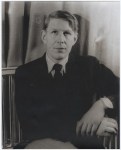
I can imagine Chris telling me that both poems are rather hackneyed now and me replying (a little too forcefully) that they weren’t when we discovered them. Click on the images below of W.H. Auden and Mary Oliver to hear complete readings of Funeral Blues and Wild Geese.


w-h-auden-1939Mary Oliver

Share this:

  • Share on X (Opens in new window) X
  • Share on Facebook (Opens in new window) Facebook
  • Share on LinkedIn (Opens in new window) LinkedIn
Like Loading...

Standing on Fishes

Posted by geoffmead on December 28, 2014
Posted in: Uncategorized. Tagged: Moving Forward, Rainer Maria Rilke, Standing on Fishes. 5 Comments

Sixfinger_threadfin_school

On my bookshelves, there is an old paperback edition of Rainer Maria Rilke’s Selected Poems translated by Robert Bly. It’s a constant source of inspiration and now so creased, battered, and well-thumbed that the pages have come loose from their binding.

Over the years, I’ve drawn strength from many of Rilke’s poems. Sometimes a Man Stands Up, The Man Watching, Archaic Torso of Apollo, and Widening Circles have all offered profound insights, metaphors and encouragements. Now, in the first flush of grief, it is the image of “standing on fishes” from Moving Forward that names my condition so precisely that it seems Rilke is speaking directly to my soul.

The foundations of my life that were once so concrete and substantial have liquefied. What was fixed and certain has become fluid and unpredictable. It wasn’t supposed to happen this way; I was supposed to die first, leaving Chris to enjoy her wildly creative middle years and elderhood alone. But it didn’t happen that way so I must learn how to live without her constant presence.

Chris was the solid ground under my feet. Without her, I am ungrounded, sinking, standing on fishes. But our years together have taught me how to swim and I am not drowning. As Rilke says:

The deep parts of my life pour onward,
as if the river shores were opening out.
It seems that things are more like me now,
that I can see farther into paintings.
I feel closer to what language can’t reach.
With my senses, as with birds, I climb
into the windy heaven, out of the oak,
and in the ponds broken off from the sky
my feeling sinks, as if standing on fishes.

And so I write because it is a way of being with Chris and with myself and with the world. I write because it’s how I find and define myself and because she loved the writer in me.

Share this:

  • Share on X (Opens in new window) X
  • Share on Facebook (Opens in new window) Facebook
  • Share on LinkedIn (Opens in new window) LinkedIn
Like Loading...

Sweetheart Come

Posted by geoffmead on December 22, 2014
Posted in: Uncategorized. Tagged: Chris Seeley, Sweetheart Come. 10 Comments

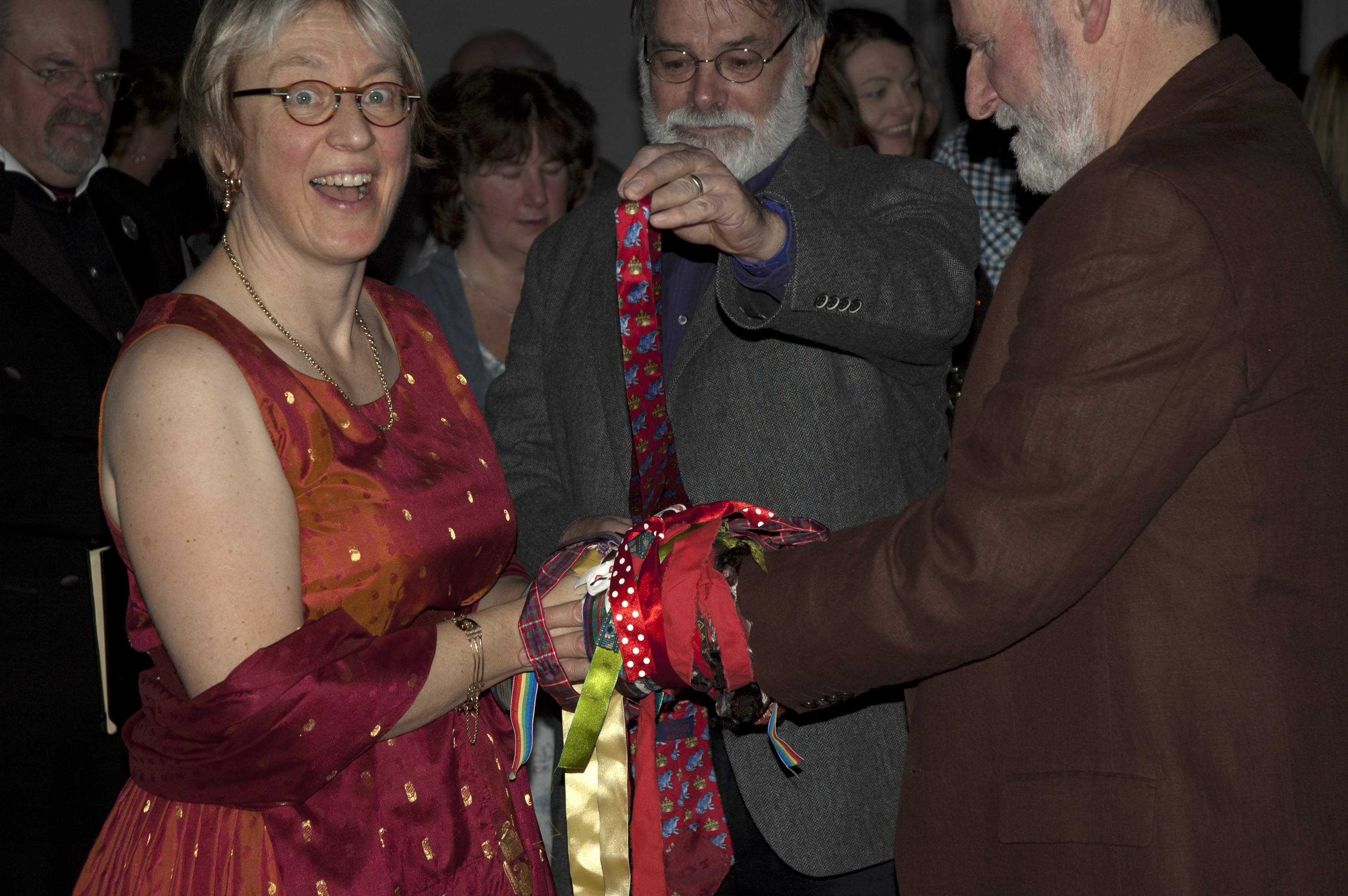
handfasting

My left foot is suddenly painful. I take off my shoe carefully. The nails have penetrated the sole of the shoe and raked my instep. There is blood. I hear my name being called softly; a seductive female voice, rising and falling, squeezing a siren song from its monosyllabic form: “G-e-o-ff.”

It’s a dream.

I wake up in your bed.

Not the second-best bed that Shakespeare left his wife, but your second (best) bed; the bed you bought for yourself just before we met; the bed that had been intended to celebrate your new-found aloneness; the bed in which we slept, made love, argued over the duvet, drank tea, laughed, talked into the night, made plans, and dreamed of a life together. The bed that was too small for two people to sleep in comfortably. The bed we moved into the sitting room when you could no longer climb the stairs.

I’m alone in the house apart from Ted who is curled up on the floor between me and the doorway to the kitchen. He sticks closer to me these days, now that you’ve gone. The house creaks and groans as a winter storm lashes the trees in the garden and curls around the old stones. I listen carefully. Was it your voice I heard? If so, you are silent now.

I reach out for the alarm clock and bring it close to my face. Without my glasses, it’s hard to make out the exact position of the hands. I guess that it’s about 5.30 a.m. Yesterday was the winter solstice, the shortest day of the year. It’s pitch black outside. I turn on the light, step over Ted – who glances up at me and thumps his tail three or four times on the carpet – and make my way into the kitchen. I’m still half asleep; I make a mug of tea, bring it back to bed and think of you.

Portugal. August 2013. The first big seizure. The brutal diagnosis. “Inoperable,” they said in broken English. We sat in the hospital corridor, unable to move, for what seemed like hours. Suddenly, I looked at you and saw you gazing back at me. All the ifs and buts and maybes that had characterized our relationship simply melted away.

“Will you marry me?” I said.

“Yes,” you said.

Five words. That’s all it took, after a decade of dithering, to seal the bond between us. Love spoke and we obeyed its call. No champagne, no flowers, no extravagant gestures. Just two people weeping for joy in the face of disaster. And four months later came the wedding: the public declaration and ongoing private commitments of marriage.

I lean back on the pillows of your second (best) bed, the bed in which you died not three weeks ago, and let the memories of our wedding suffuse my slow waking into the day. Imprinted on my heart is the glory of you, radiant in your flame silk dress, as our families and friends sing “Sweetheart Come” and bind our hands together with a hundred multi-coloured ribbons.

Walk with me now under the stars
For it’s a clear and easy pleasure
And be happy in my company
For I love you without measure

https://geoffmead.blog/wp-content/uploads/2014/12/sweetheart-come.mp3

Blessings to all who held and continue to hold us in their love.

Thank you.

Share this:

  • Share on X (Opens in new window) X
  • Share on Facebook (Opens in new window) Facebook
  • Share on LinkedIn (Opens in new window) LinkedIn
Like Loading...

Wild Margins

Posted by geoffmead on December 11, 2014
Posted in: Uncategorized. Tagged: Chris Seeley, Wild Margins. 4 Comments

DSC03257

Chris Seeley

21 August 1966 – 3 December 2014

Chris died at 6.47pm Wednesday 3 December from the effects of a brain tumour. She was at home in her beloved Folly Cottage surrounded by her family, a few of her many friends, and with me by her side. She had been unconscious since Tuesday lunchtime and slipped away without distress or pain as if carried on a sea of love. Afterwards, we sat with her until dawn to accompany her passing. Next morning we found these words in her journal, written about 10 days before.

machete
hacking at
the
mooring
lines
tying me
to my
life, the
shore,
the jetty of
my life
as the
tide comes
in and
oh so
gradually
bits disappear
under the
starlight
and others
float off
to sea. Gone in
the morning.

 Light, love and blessings dearest Chris – to you and to us all.

Share this:

  • Share on X (Opens in new window) X
  • Share on Facebook (Opens in new window) Facebook
  • Share on LinkedIn (Opens in new window) LinkedIn
Like Loading...

Twelfth Man

Posted by geoffmead on November 18, 2014
Posted in: Uncategorized. Tagged: Alex Wildwood, Charmouth Beach, fathers and sons, fire, men's work, Monkton Wyld, ritual. Leave a comment

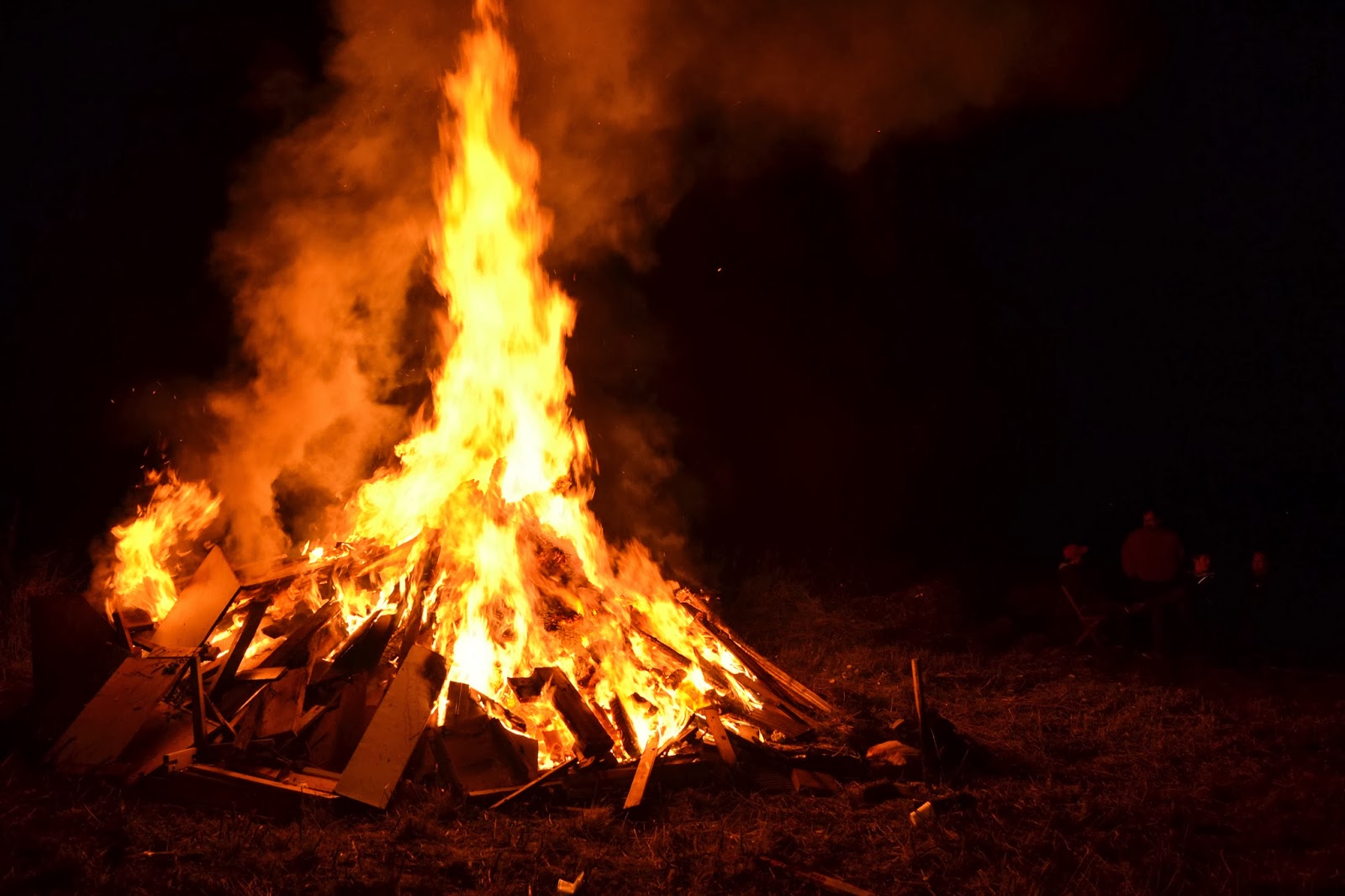
bonfire

Twenty years ago I went to Monkton Wyld Court for a residential men’s weekend. It was my first exposure to men’s work and it’s fair to say that I was pretty nervous about going. I needn’t have worried, Alex Wildwood held the space beautifully and having spent the day making images of things from our childhood that we wanted to let go of, we went at dusk to Charmouth Beach and made a bonfire between the crumbling blue lias of the cliffs and a rising tide. It was dark by the time we lit the fire and spontaneously created our own ritual. The images I had made were about loneliness and the loss of my father.

The ritual was simple and powerful but it was a momentary glimpse of something else that made the evening unforgettable. I’ve been struggling ever since to capture that moment. This narrative poem is the latest attempt. It really needs something else, more radical I think, but you’ll get the idea.

Eleven men gather on the narrow strand
Between the crumbling cliffs and the sea.
We walk in silence, as dusk chills the air,
Until we find a place to make our prayer.

From the shoreline we gather driftwood
To build a fire that reaches up to heaven.
Then pile stones high at the water’s edge,
A sacrificial cairn to mark the rising tide.

We stand apart in silent contemplation,
Staring at the moon-capped inky waves.
Each one seeking answers in the depths
To the questions that haunt their lives.

The moment comes; time to set the match.
Flames leap into the sky and lick the stars.
Fire to cleanse the soul and warm the heart,
A beacon of hope for men adrift in the dark.

We are drawn as if by magnets to the source,
Men called to make confession to the flames
Some shout and weep, some whisper quietly
Some speak a blessing or swear a sacred vow.

I clutch the images I made that day, and then
With shaky hands and new-remembered love,
Consign them to the scorching crucible of fire.
It’s an old story Dad – and it’s time to let it go.

When it’s all over we stand around the blaze.
Now we are more than just our fathers’ sons,
We’ve left the boy behind, we’re men at last.
A much-belated rite of passage for each one.

Mad with joy we run into the summoning sea
Then shake ourselves dry like a pack of dogs
And dance to the raucous music of our hearts
Until we drop exhausted, on the friendly sand.

Our madness spent we gather round the fire
In quiet comradeship and mutual respect.
This night has brought us unexpected gifts
And the time has come to take them home.

Back into our lives, along a different shore
We walk, laughing and sharing our stories
Like mariners washed up after a great storm,
Brothers-in-arms strolling through the night.

A sudden presence tugs at my heartstrings;
I turn my head to the distant fire and stare.
In the flickering shadows another man I see:
My long-dead father, dancing there with me.

 © 2014 Geoff Mead

Share this:

  • Share on X (Opens in new window) X
  • Share on Facebook (Opens in new window) Facebook
  • Share on LinkedIn (Opens in new window) LinkedIn
Like Loading...

Nature and the Mature Masculine

Posted by geoffmead on October 22, 2014
Posted in: Uncategorized. Tagged: Allan Chinen, Beyond the Hero, Coming Home to Story, Earthlines Magazine, Furthest Shore, Joseph Campbell, mature masculinity, trickster. Leave a comment

Woods

This is a piece I was invited to write for the wonderful Earthlines magazine. The whole story of The Furthest Shore together with an extended exploration of men and storytelling is included in my book Coming Home to Story: Storytelling Beyond Happily Ever After. 

A hero ventures forth from the world of common day into a region of supernatural wonder: fabulous forces are there encountered and a decisive victory is won: the hero comes back from this mysterious adventure with the power to bestow boons on his fellow man.

Mythologist Joseph Campbell (The Hero with a Thousand Faces) famously asserted that the stages of what he called the Hero’s Journey offer a universal blueprint for the story of human initiation and development: a single underlying “mono-myth.” Taken up by Hollywood screenwriters like George Lucas (Star Wars) and lauded by pioneers of the 1990s men’s movement such as Robert Bly (Iron John) and Michael Meade (Men and the Water of Life), Campbell’s monomyth has exercised a significant and disproportionate influence on the western imagination, especially the western male imagination.

Perhaps, we shouldn’t be surprised: a call to adventure; fighting monsters; attaining manhood; winning the beloved; bestowing boons on our fellow men. What’s not to like? Who wouldn’t want to be a hero? The problem is not that these are not great stories but that they leave us in the limbo of “happily ever after” and those of us who have lived long enough know that such a state of grace does not last forever. The hero’s journey is a story for the first half of life, when the world is young and we can rely on native wit, raw courage, beginner’s luck and a bit of benign magic to see us through.

The question that has come to fascinate me as a storyteller – and as a man – is “what happens after happily ever after?” What sustains us when luck and magic have run out and wit and courage are no longer enough? What stories can guide us in the second half of our lives, when the world is no longer young?

Psychotherapist Allan B. Chinen has made a special study of folk and fairy tales that seek to answer these questions and includes some wonderful examples of “post-heroic” stories in his book Beyond the Hero. The most satisfying of these stories follow double cycles in which both the hero’s journey and the subsequent post-heroic quest are told. The two cycles have different qualities. The hero’s journey takes us out and back, but the post-heroic quest operates on a different plane, taking us down and then back up. It begins not with a call to adventure but by a fall from grace: something going wrong that causes us to lose our way. “In the middle of the road of my life I awoke in the dark wood where the true way was wholly lost” begins La Divina Commedia of Dante Alighieri.

To find the way back, the post-heroic protagonist must stay constant to what he really loves and endure long and difficult labours without the aid of magical interventions. Such are the soulful quests of the second half of life; they take us through the wilderness that lies beyond “happily ever after” to a place of strong, compassionate, maturity where we have found our calling and have learned to be true to what really matters in life rather than obey the dictates of others or the voices of our egos telling us how we ought to behave.

There is one particular story that I have been telling to groups of men for the past decade that sweeps through both heroic and post-heroic quests; that seems to speak to men facing the vicissitudes of mid-life as well as to those meeting the adventures of youth. It also says something profound about men needing to find a qualitatively different relationship with nature in later life, as an essential element of their initiation into mature masculinity. The story is a Norwegian wonder-tale collected by folklorist Jørgen Moe the mid 19th century. I came across it in Andrew Langs’ Red Fairy Book which was first published in 1890. I call it The Furthest Shore.

Contrary to Joseph Campbell, I believe that our collective heritage of fairy stories, folk and wonder tales, fables and myths is as complex and contrary as humankind itself. They offer no single message about the relationship between men and nature. Rather than presume to tell you “what the story means” (because such stories carry a wealth of meanings) here is the second half of The Furthest Shore – starting where the real trouble begins: beyond the hero’s journey; after happily ever after. I wonder what you will make of the traveller’s encounters with the creatures of earth, air and water, of the tricksterish energy that is needed finally to take him home, and of the work that lies ahead of him and his queen as this story ends and another untold story begins.

The fisherman’s son, who was brought up as the son of a king, braved the terrors of the night sea, defeated three fearsome trolls, rescued his enchanted princess and married her.

After living happily ever after – for a while – the young king turned to his queen one day and said, ‘I have been thinking about my mother and father. The last they knew of me I was heading out to sea. They certainly don’t know that I have become a king. Why, they probably think I am dead. I would so like to go back and see them.’

‘I don’t think that would be wise, my dear,’ said the queen. ‘Surely your place is here with me.’

But the young king would not let the matter drop and eventually the queen said, ‘Very well, if you must go then go you must. But I give you this warning: pay heed to what your father says and not to what your mother asks of you. I can help you make this journey,”’ she said and slipped a silver ring off her finger and onto his. ‘This ring has magic in it. It will grant you two wishes… you can wish yourself back to your parents’ house and return safely home to me.’

No sooner had the young king wished himself back to his parents’ house than he was standing outside the door to their cottage. He knocked and when the door was opened there stood his father and behind him, sitting by the fire, his mother. At first they did not recognise him in his fine robes. ‘Father, mother,’ he said. ‘It’s me, your son.’ When they could see who he really was, they wept. ‘We thought you were dead.’ Then the tears turned to laughter and they hugged each other and all talked at once. ‘Why, look at you in your fine clothes. Wherever have you been?’ said his mother.

Over the next few days they told each other about the lives they had led since they were last together. The fisherman and his wife had carried on much the same, though deeply grieved by losing their only son to the sea, as they thought, and they were astonished to learn that he had not only survived but had married a princess and become king in a distant land. ‘You should go to the palace,’ said his mother. ‘You’d show that old king a thing or two. Look at you. I’m so proud of you.’

His father counselled against it, ‘I fear we’ll have no more joy of you in this lifetime if you go to the palace. Enough is enough; let us simply enjoy being together until it is time for you to return to your queen.’

But it was his mother’s words to which he listened. His wife’s warning slipped from his mind. He wanted to go to the palace; he wanted to show the old king a thing or two, to show him that – fisherman’s son or not – he was as good a king as he.

So he did visit the palace where he had been brought up and he stood before the throne, not in the very best hand-me-downs, but in robes finer than those worn by the old king himself. He was graciously received and the two kings talked of royal matters: of the loyalty and warmth of their subjects; of the opulence of their treasuries; of the extent and prosperity of their lands. And on each point the young king bested his elder. Exasperated, the old king said, ‘Your subjects may be more numerous, your treasuries richer and your lands more extensive but I’ll warrant your queen is not as fair as mine.’

‘My queen is the wisest, most beautiful and virtuous woman to be found in any realm,’ boasted the young king. ‘I wish she was here before us now so that you could see for yourself.’

At that moment, a strange hush fell over them; the old king and his courtiers froze as if they were wax dummies in a tableau, the curtains covering the doorway swept aside and the young king’s bride stepped into the room. Looking only at him, she spoke quietly. ‘What have you done? The ring had only two wishes in it and now you have used them both. I cannot live here and how will you ever find your way back to the Furthest Shore without its power?’

Tears welled up in the young king’s eyes as he realised his terrible mistake. His queen went over to him and slipped the ring off his finger. Then she kissed his cheek and smoothed his head with her hand. ‘Remember me,’ she said and tenderly plaited the ring into his hair. ‘Farewell, dearest man.’ Then she turned on her heel and walked out the room, curtains swishing closed behind her.

Instantly the figures in the room unfroze. ‘What was that? Who was she?’ the old king asked. He got no answer because the young king had dashed through the curtains calling after his queen, ‘Come back, come back. I’m sorry, I’m sorry.’ It was too late, she had disappeared and no one, not even the palace guards had seen her come and go. They searched the palace and the palace grounds; soldiers were sent out to scour the countryside but she was nowhere to be found.

Desolate, the young king determined that somehow, no matter how hard and long the quest, he would find his way back to the Furthest Shore, he would be reunited with the bride he loved. He left the old king’s palace, said goodbye to his parents and exchanged his fine robes for hard-wearing breeches and traveller’s cloak. Not knowing where to go, he roamed the land aimlessly asking everyone he came across if they knew the way to the Furthest Shore but always he was met with a puzzled look and a shake of the head.

On and on he went, sleeping under hedges, in barns and outhouses, sometimes sharing food with farmers or the warmth of a campfire with hunters in return for his labour or the telling of his tale. The weeks turned into months and the months into years. His long hair and his beard streaked with grey, his face weather-beaten by the trail, his body lean and hardened by hardship and sorrow, he never gave up. He wandered far from the old king’s realm into lands unmapped and untracked, hoping always for some hint or clue of the way home.

One day, he found himself at a clearing deep in the heart of an ancient forest. Before him stood a bear of a man nearly twice his height, dressed in furs, his hand stroking the shoulder of a stag. ‘I don’t know who you are sir but I’m guessing this is your forest. Pardon my trespass, I am searching for the way back to the Furthest Shore; can you help me please?’

The man replied in a deep rumbling voice. ‘You are welcome here. I am the lord of the beasts of the earth. I do not know the way back to the Furthest Shore but perhaps my creatures can help.’ He pulled a great ox horn from under his fur cloak and blew a sonorous blast that echoed into the trees. All kinds of beasts appeared: wolves, badgers, porcupines, lions, deer, squirrels, boars, monkeys, snakes, all the beasts that run, walk, crawl or slither on the ground gathered around them. ‘Do any of you know the way back to the Furthest Shore?’ he asked. But none of the creatures knew the way.

‘I am sorry we cannot help you. Perhaps my brother will know; he is the lord of the birds and the beasts of the air. Put these on,’ he said, handing the traveller a pair of fur lined boots. ‘Follow where your feet lead and you will find him. When you do find him, give him my regards – and remember to send the boots back.’

So the traveller set off, letting the boots lead him, walking for many days and miles until he came to the bare summit of a mountain. Before him stood a tall, slender man with sharp aquiline features wearing a cape, a hawk perched on his wrist. ‘I’m guessing that you are the lord of the birds and the beasts of the air and that this is your domain. Pardon my trespass; I bring greetings from your brother, the lord of the beasts of the earth. He lent me these boots to find you. I am looking for the way back to the Furthest Shore. Can you help me please?’

The man spoke in a high lilting tone. ‘Take the boots off, they will return to my brother of their own accord.’ The traveller did so. ‘You are welcome here. I do not know the way back to the Furthest Shore but perhaps my creatures will know.’ From under his feathered cloak he took a pipe made from the wing bone of an albatross and blew a shrill note that echoed around the mountaintop. Soon, all manner of birds and flying creatures appeared: blackbirds, doves, eagles, bats, dragonflies, crows, humming birds, gulls, plovers and pigeons, all the birds and creatures that fly, buzz and flap in the air circled around their heads. ‘Do any of you know the way back to the Furthest Shore?’ he asked. But none of them knew the way.

‘I am sorry we cannot help you. Perhaps my brother will know; he is the lord of the fish and the creatures of the deep. Put these on,’ he said, handing the traveller a pair of soft downy boots. ‘Follow where your feet lead and you will find him. Give him my regards – and remember to send the boots back.’

So the traveller set off once again, letting the boots lead him, walking for many days and miles until he came to the top of a cliff. Before him, looking out to sea stood a lithe and willowy man with damp hair and a cloak of sharkskin. A young seal played about his feet. ‘I’m guessing that you are the lord of the fish and the creatures of the deep and that this is your domain.’ said the traveller. ‘Pardon my trespass; I bring greetings from your brother, the lord of the birds and beasts of the air. He lent me these boots to find you. I am looking for the way back to the Furthest Shore. Can you help me please?’

The man spoke in soft, liquid tones. ‘Take the boots off, they will return to my brother of their own accord.’ The traveller did so. ‘You are welcome here. I do not know the way back to the Furthest Shore but perhaps one of my creatures will know. Follow me.’ He led the way down a steep path to the sea. There he waded out until the water lapped round his waist. From under his cloak he took a long whalebone paddle and slapped the surface of the water sending shock waves through the ocean currents. Soon all manner of fish and creatures of the deep appeared: marlin, tuna, swordfish, octopus, crabs, whales, porpoises, shrimps and seahorses, all the fish and creatures of the deep swimming around them.

‘Do any of you know the way back to the Furthest Shore?’ he asked. But all were silent until up spoke an old pike. ‘Yes, I know the way. Indeed I am shortly on my way there. You see, in my human form I am a cook at the castle there and I must help to prepare a feast. They say the queen is to be married again. She has been alone these many years and now another man has come to take her husband’s place.’

Married again? Surely not; to be so close after so many years searching only to lose her at the last; the traveller could not bear the thought. ‘Can you take me there?’

‘I am sorry,’ said the pike. ‘It is not possible. I must swim under the water and you would drown.’

‘Perhaps there is a way,’ said the lord of the deeps. ‘My creatures cannot take you but if you go back up the cliff you will find, not far from here, a heath. On that heath are three brothers; one has a hat, one a cloak and one a pair of boots. They cannot decide which belongs to what or what belongs to whom. They have been fighting over them for many years. It is said that whoever wears the hat, the cloak and the boots together can wish themselves wherever they want to be. If you can persuade these brothers to part with them, perhaps you will be able to return to the Furthest Shore after all.’

The traveller thanked the pike and the lord of the deeps and rushed back up the cliff to find the three brothers and soon he spied them on the heath, yelling, shoving and pushing, wrestling each other to the ground, snatching the hat and the cloak and the boots from each other in turn in a mad merry-go-round of mayhem and discord.

‘Stop,’ called out the traveller. ‘What is this you are doing?’

‘We have been fighting for a hundred years,’ replied one of the brothers. ‘Ouch… those boots are mine… give me that hat… you are not going to have my cloak.’ Round and round they went.

‘A hundred years,’ said the traveller. ‘Aren’t you getting tired? I could sort this out for you. Let me try on the hat and the cloak and the boots and I will soon know which belongs to each of you, then you can stop fighting and go about your business.’

This seemed like a good idea to the brothers so they called a truce and handed over each item to the traveller to try on. He put on the hat and his mind became crystal clear; he wrapped the cloak around his chest and felt his heart open wide; he pulled on the boots and his will became indomitable. He wished himself back home on the Furthest Shore and as he did so, he rose into the air with the three brothers shaking their fists and cursing at him far below.

The North Wind caught him up in his arms. ‘I will take you home,’ said the wind. ‘And when we get there, I will put you down at the castle gate. Stand aside then and I will rattle and blow and shake the windows and doors so hard that that impostor will come to see what is happening and I will whisk him away.’

Flying high in the air above land and sea he soon saw ahead the white strand of the Furthest Shore and the castle where he had suffered so much and known so much joy. True to his word, the North Wind set him down at the gate and he stood to one side as the wind rattled and shook at the windows and doors. The castle gate opened and out stepped a man, not unlike himself, to see what was happening and the North Wind picked him up and whisked him away so that he never came back – in this story at least. The wind died away and the king of the Furthest Shore, in his traveller’s clothes once more, entered the courtyard and climbed the stone stairs to the throne room.

He stood by the doorway for a long moment. There she stood, turned half away from him, hand resting on the back of her throne. She turned fully towards him and looked quizzically as if she did not recognise him. She approached him slowly, her long dark hair flowing down her back, her eyes bright green just as he had remembered her each night and each day of his long quest. His breath caught and his heart quickened as he looked at her. He had no words to say and silent tears ran down his cheeks. She looked at his lined face, his grey streaked hair and beard, and saw the tenderness in his tear-filled eyes. Could this be him? Then something glinted silver in his hair and she reached out and touched the ring she had plaited there so long ago.

‘Oh, my dearest man; I hoped and prayed for your return. I waited such a long time for you that I thought you must be dead. You have come back to me and all is well.’ They fell into each other’s arms, hardly believing their good fortune after their long separation.

That evening, the feast that had been prepared was put to good use as they celebrated the true king’s return and renewed their marriage vows. After the food and drink came music and dancing, masques and merriment before retiring for the night. And the king and queen of the Furthest Shore lived in love and happiness, ruling wisely and well until the end of their days on earth.

Allan Chinen suggests that the archetypal trajectory of male development in the first half of life is from warrior to king, whereas in the second half of life, the developmental journey is from wanderer/pilgrim to trickster/shaman. The former perpetuates the patriarchy across succeeding generations, whilst the latter leads to a more equal relationship between men and women and to a more participative and generative relationship with nature through what the post-heroic protagonist learns on his long quest.

It was James Hillman who said that we can only lead the lives we can imagine. If he was right (and I believe he was) then we need to tell such post-heroic stories of the mature masculine to counterbalance the dominant heroic male archetype if men are to imagine and lead lives in which the quality of their relationship to nature is an integral part of their psyche and not just the backdrop to individualistic stories of derring-do.

We are coming slowly to realize that the story of our time and of our relationship with the planet is characterized by a fall from grace rather than by a naive call to adventure. To live happily ever after is an understandable aspiration for youthful heroes and heroines but beyond that lies a greater and more worthwhile challenge: to rule wisely and well until the end of our days on earth.

© 2014 Geoff Mead

[This article first appeared in Earthlines, Issue 8, March 2014]
Share this:

  • Share on X (Opens in new window) X
  • Share on Facebook (Opens in new window) Facebook
  • Share on LinkedIn (Opens in new window) LinkedIn
Like Loading...

Teddie Balboa

Posted by geoffmead on September 23, 2014
Posted in: Uncategorized. 2 Comments

This slideshow requires JavaScript.

https://geoffmead.blog/wp-content/uploads/2014/09/06-eye-of-the-tiger-in-the-style-of-survivor-karaoke-instrumental-version.mp3

Share this:

  • Share on X (Opens in new window) X
  • Share on Facebook (Opens in new window) Facebook
  • Share on LinkedIn (Opens in new window) LinkedIn
Like Loading...

Of Gods And Men

Posted by geoffmead on August 22, 2014
Posted in: Uncategorized. Tagged: Cortes, Fall of Tula, Montezuma, Pepper Man, Quetzalcoatl, Tezcatlipoca, Toltecs. Leave a comment

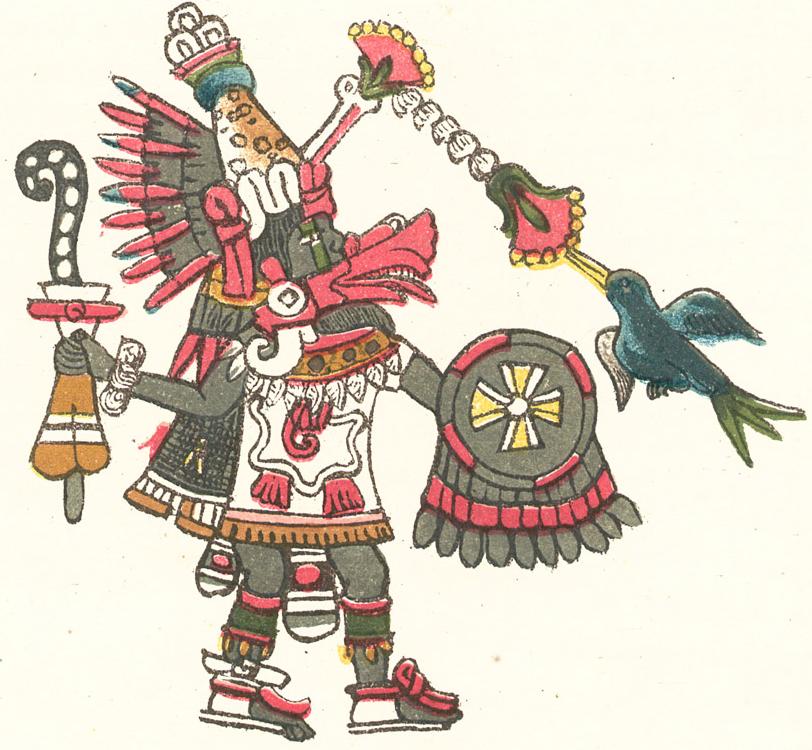
Quetzalcoatl_magliabechiano

The world was no longer young when the creator Queztalcoatl stole bones from the Land of the Dead. He gave them to Snake Woman who ground them to powder in a jade bowl. Then Queztalcoatl and the other spirits mixed their own blood with the powder to give life to the people, saying: “We bleed for them and they will bleed for us.”

Queztalcoatl cracked open Food Mountain and gave the people true corn, peppers, beans, sage and all that they needed to live. The first people to have many children were the Toltecs; they worshipped Queztalcoatl and they built a great pyramid for him in their capital Tula, so he could dwell amongst them. In return, he gave them all manner of skills: the reading of omens, the making of calendars and pots, farming, weaving, and warfare. He taught them how to find jade and turquoise and other precious stones, alive and breathing inside ordinary rocks.

The Toltecs were rich, their cities great, and food was plentiful. Their vegetables grew as tall as trees, their ears of corn so fat that a man could carry only one at a time. They had chocolate, and cotton plants that grew in every colour of the rainbow. For centuries, inside his pyramid, Queztalcoatl accepted the blood sacrifices of his chosen people as his due. It was how things should be arranged between gods and men. But both men and gods can become complacent.

Queztalcoatl’s twin, the destroyer Tezcatlipoca looked down upon them from the sky and was jealous. “They have forgotten me,” he said. “There is no light without shadow. Perhaps it is time for me to remind them who I am.” He gathered spiders’ webs and twisted them into rope, tied one end to a cloud and climbed down it until he stood outside the gates of Tula. There he changed himself into a wild man and walked bare-naked into the city, with a bag of chili peppers slung over his shoulder. He squatted in the market place, laid out the peppers on the ground and offered them for sale to the small crowd that gathered around him.

It so happened that the king’s daughter, Jade Skirt was walking through the marketplace with her serving women. She was beautiful and much admired by all Toltec men but her father, King Huemac kept her close by his side and despite many rich offers, would give her to no-one. She saw the bare-naked wild man and was immediately overcome with desire for his tototl. She returned to the palace hot, flustered and sick with passion.

When her father saw that his daughter was sick, he asked her serving women what was wrong with her. “It was the wild man selling peppers in the market,” they said. “He has bewitched her and she is burning for him.”

“Indeed,” said Huemac. “We’ll see about that.” He told his servants to search the marketplace and when they returned empty-handed, he issued a general decree to all Toltecs to look for the wild man. At last he was found and brought before the king.

“Who are you, who has so upset my daughter?”

“I’m just a poor savage, selling a few chili peppers.”

“Put on a loincloth or something. Don’t you realise where you are?”

“I always go naked, your majesty. I’ve never known any different.”

“Naked or not, you’ve upset my daughter so you must cure her.”

“It wouldn’t be right, your majesty. I’m only a pepper man. Better to kill me instead.”

“There’s nothing more to be said,” pronounced the king. “You must cure her.” He clapped his hands and servants took the wild man aside, cut his hair, bathed and oiled his skin and tied a loincloth about his waist. When he was presentable, Huemac summoned his daughter. “She’s yours,” he said. So they were married; Tezcatlipoca became the king’s son-in-law and Jade Skirt was soon cured.

Soon though, Huemac heard that people were sniggering and mocking him for marrying his precious daughter to a wild man. His courtiers pressed him to do something before his subjects lost all respect for the throne. “What do you suggest that I do?” he asked.

“Declare war on our enemies at Grass Mountain and send the wild man into the thick of the fighting with the reserves, they’re just boys and old men. We’ll win the war but he’s sure to be killed.”

“And if he isn’t killed?”

“Then he’ll be a hero. You’ve nothing to lose.”

So the army marched to Grass Mountain but Huemac’s enemies were strong and his army retreated; all but the reserve. Using Tezcatlipoca’s voice of power, the wild man rallied the boys and old men under his command: “Come uncles, brothers, sons. Come.” They swung their war clubs, yelled and charged. Their foes, hearing the blood-curdling cries and seeing such determination, dropped their weapons and ran.

When word of the rout got back to Tula, Huemac ordered his own turquoise-covered shield and head-dress plumed with quetzal feathers to be brought from the armoury as gifts. He went in person to the edge of the city to meet his son-in-law; drums were beaten and conch-shells blown in triumph as Huemac himself painted the victors’ faces yellow to honour the occasion. “You are a most worthy husband to my daughter and a welcome guest under my roof,” he said. The wild man smiled innocently whilst Tezcatlipoca inside him, fought to contain his malice. “We should celebrate,” he said.

That very night, the king himself announced that there would be dancing.

Tezcatlipoca led the way out of the city followed by hundreds of carousing men and women. He beat a pounding rhythm on his drum as the crowd danced wildly, unable to keep their feet still. Further and further from the city he led them; closer and closer to the edge of a canyon. As they bumped and jostled, pranced and leapt, those nearest the edge were pushed over the precipice onto the rocks below. As they died they were turned into rocks themselves upon which more and more people fell and were killed. They seemed not to realise what was happening; it was as though the dancing had made them drunk. Tezcatlipoca screamed with delight: “Forget me, would you?”

Night after night, they returned to the same spot to dance as if nothing had happened. Tezcatlipoca had the whole of Tula under his spell. The flower of the city’s youth fell to their deaths.

When his bloodlust was assuaged, he turned his attention to his age-old rival. Disguising himself as a wizened, white-haired old man, he paid Queztalcoatl a visit in his pyramid. “What is it grandfather?” said Queztalcoatl. “What do you want from me?”

“I want nothing,” said the old man, holding out a bowl of agave wine. “In fact, I’ve brought you something.”

“What is it?”

“Medicine. How are you? Tell me, how are you feeling?”

“I’ve been here so long,” said Queztalcoatl, “that I can hardly move. I hurt all over.

“Then, drink this medicine. It will make you better. It will soothe your head and your body. Then it will go to work on your heart and make you think about going away somewhere else.”

“Where?”

“Where the sun rises; where all your aches and pains will go away; where you will feel as young as a child again. Drink the medicine.”

Queztalcoatl made no move to drink.

“Try a little. Just a little,” said the old man, putting the bowl down in front of him.

Queztalcoatl took a sip and then another. “It tastes good,” he said. “Makes me feel good, too.” He drank more deeply, draught after draught until he had emptied the bowl. The drunker he got, the more he wept for his years of suffering and the more he yearned to feel young again. As Tezcatlipoca had hoped, he decided to leave Tula and travel to where the sun rises.

Stretching out his arms, Queztalcoatl broke down the walls of his temple and stepped out. He looked around at the half-deserted city that had once been his favourite. There was no sacrifice on the round stone at the foot of the pyramid; of priests and acolytes, there was no sign. His compact with the Toltecs was over. He set fire to the houses and palaces and cast the city’s treasure into ravines and canyons; he set free the captive birds and followed them eastward.

Still in the guise of an old man, Tezcatlipoca watched him go, wondering for a moment what he would do now that King Huemac was dead and he had no more use for Jade Skirt. Tezcatlipoca smiled a terrible smile, then twisting and turning like a black whirlwind, he shed his mortal form, took on the aspect of an enormous jaguar, licked his lips, and sprang into the sky. With his interfering twin out of the way, mankind would soon worship once again at the altar of destruction.

Tepeyollotl_1

Queztalcoatl went on his lonely way. He stood beneath the Old Age Tree; he traversed Stone Crossing; he cast his necklace into the water at Jewel Spring; at Sleeping Place, his snores were like thunder. He passed between White Woman Mountain and Popocatepetl, and made his way to the sea. When he reached the shore, he wove live snakes together to make a boat and set off across the water towards the house of the dawn. Whether or not he ever got there, nobody knows.

From that moment on, Queztalcoatl disappeared from human history, though not from the minds of men. Four hundred years after the destruction of Tula, Montezuma, the last Aztec Emperor, convinced that the invading Cortes, arriving at his shores in “floating pyramids” with his men from the east, was in fact the god returning, declined to defend his realm. Instead, he sent an envoy to Cortes with gifts of jewels and this message: “Montezuma humbly begs that you let him die and when he is dead you may come and enjoy your mat and your throne which he has been guarding for you.”

Cortes accepted the gifts but decided not to wait.


Freely adapted from The Hungry Woman: Myths and Legends of the Aztecs by John Bierhorst (Quill First Edition, William Morrow Publishers, New York, 1984).  This is one of a growing collection of sideways looks at traditional stories that I am currently writing under the overall title of  The Untold Tales © Geoff Mead 2014

Share this:

  • Share on X (Opens in new window) X
  • Share on Facebook (Opens in new window) Facebook
  • Share on LinkedIn (Opens in new window) LinkedIn
Like Loading...

Posts navigation

← Older Entries
Newer Entries →
  • Recent Posts

    • Do Radio
    • Storytelling to touch the Soul
    • Ship of Fools
    • The Compleat Angler
    • Coming Home to Roost
  • Enter your email address to follow this blog and receive notifications of new posts by email.

Blog at WordPress.com.
Coming Home to Story
Blog at WordPress.com.
  • Subscribe Subscribed
    • Coming Home to Story
    • Join 135 other subscribers
    • Already have a WordPress.com account? Log in now.
    • Coming Home to Story
    • Subscribe Subscribed
    • Sign up
    • Log in
    • Report this content
    • View site in Reader
    • Manage subscriptions
    • Collapse this bar
 

Loading Comments...
 

    %d